
 +86 18776166986


A Child's "First Science Collection": The Role of Resin Educational Specimens in Early Sensory and Cognitive Development
2026-03-23
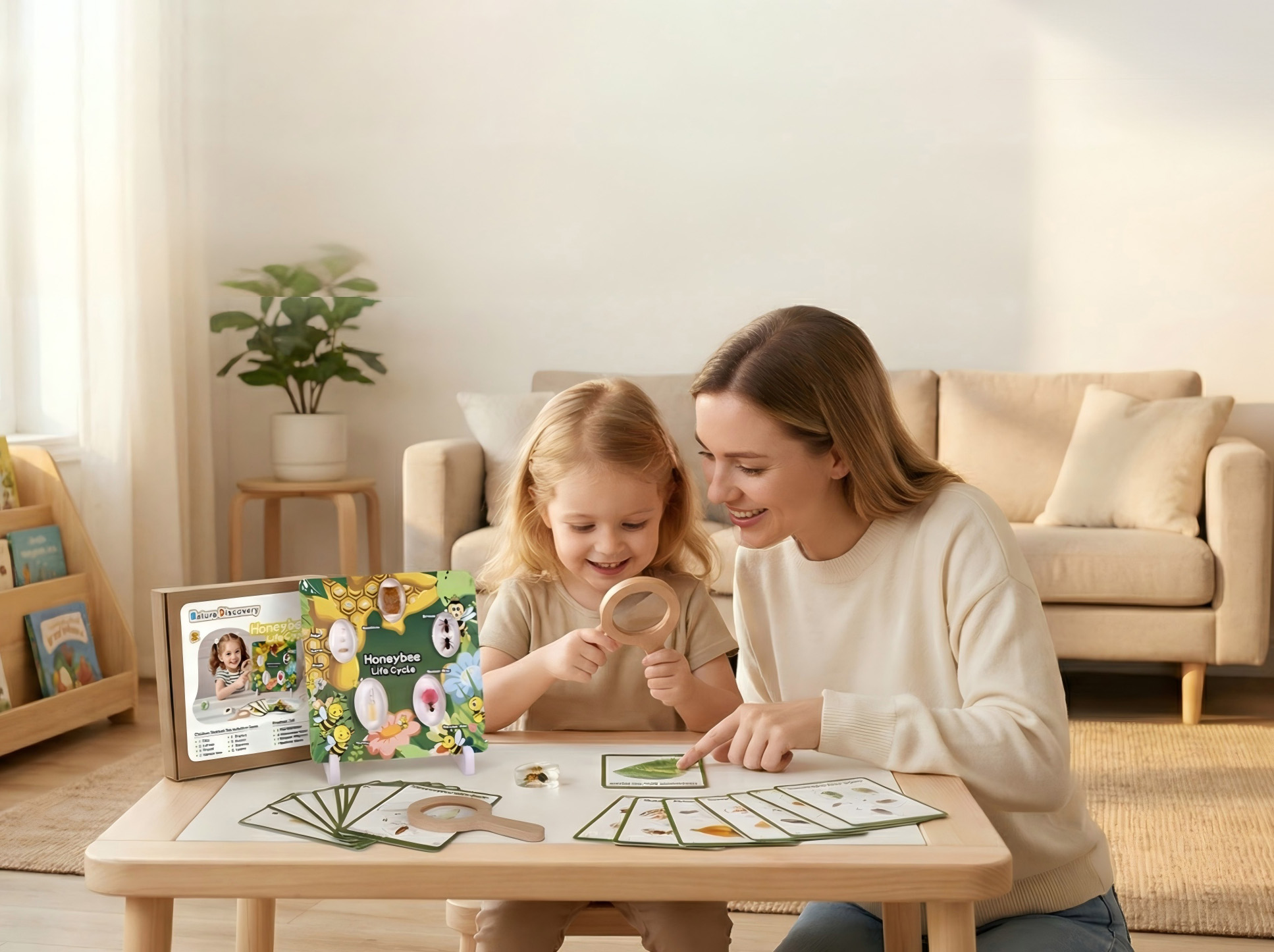
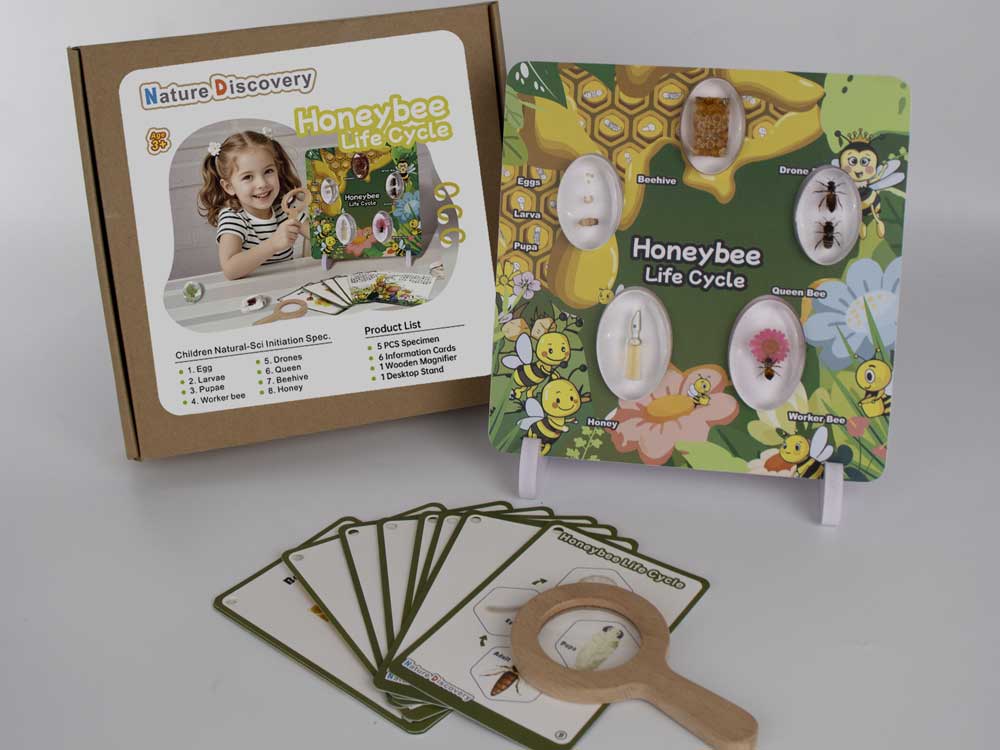
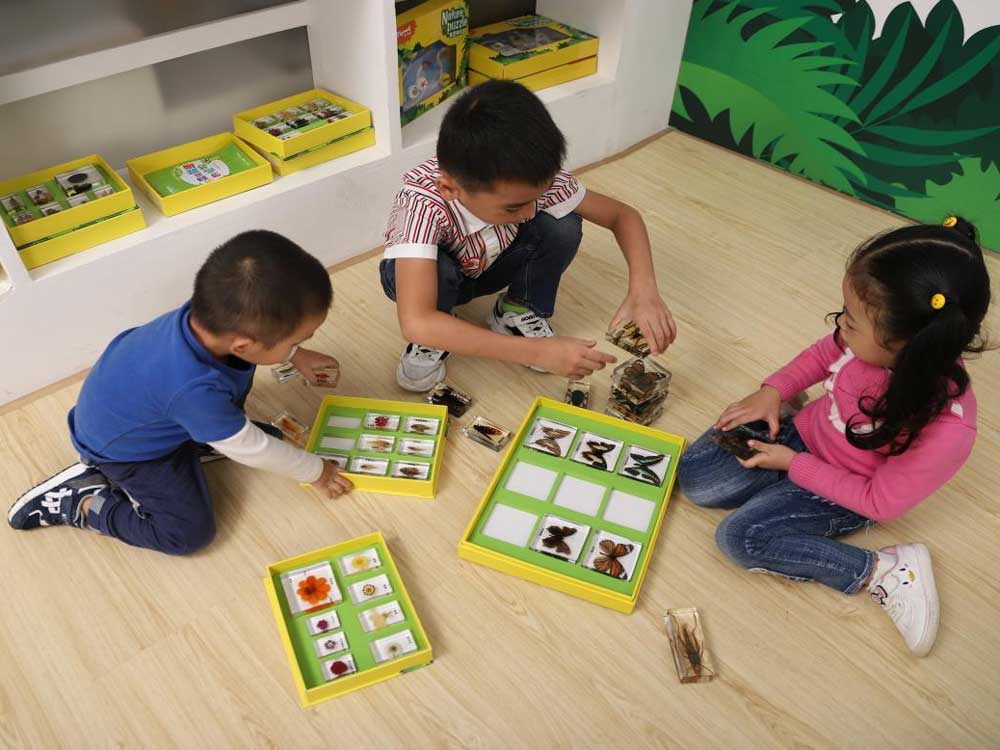
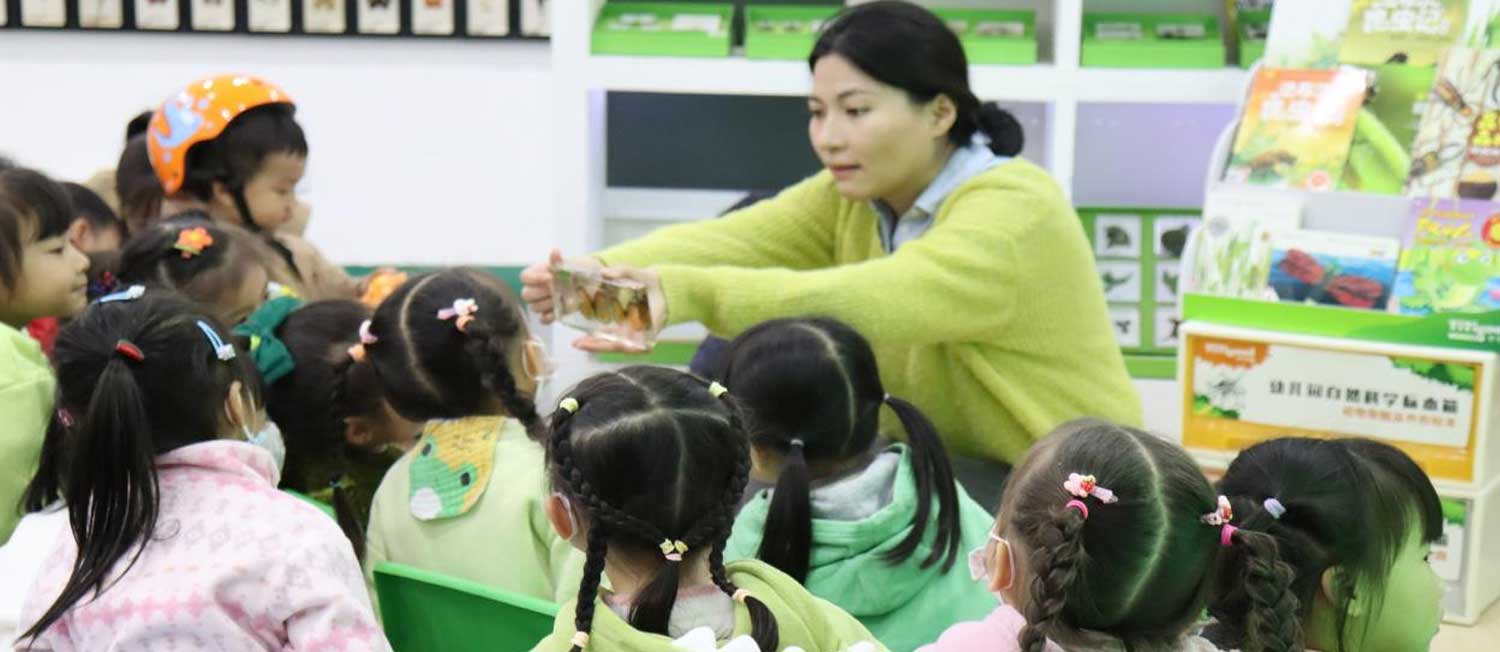
In early childhood education, the core of science is not rote knowledge but nurturing curiosity and enriching perceptual experience. Resin educational specimens, with their inherent safety (no sharp edges, non-toxic), durability (withstands repeated handling), and visually captivating clarity, become "magic gems" in the classroom discovery corner.
Why Resin Specimens Belong in Early Childhood Classrooms
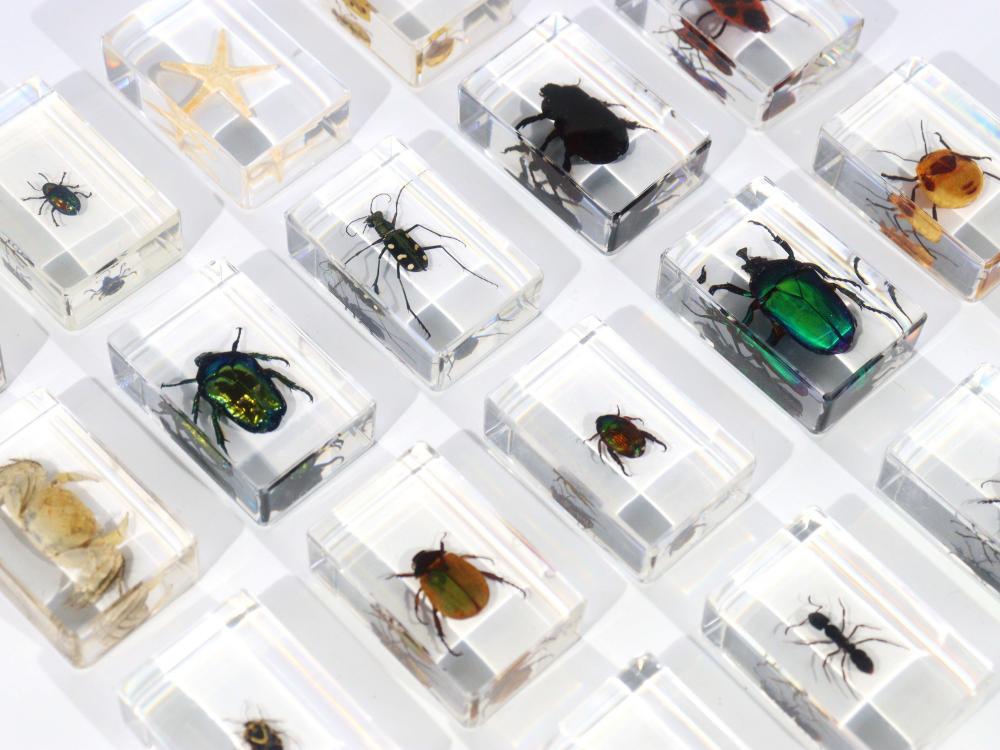
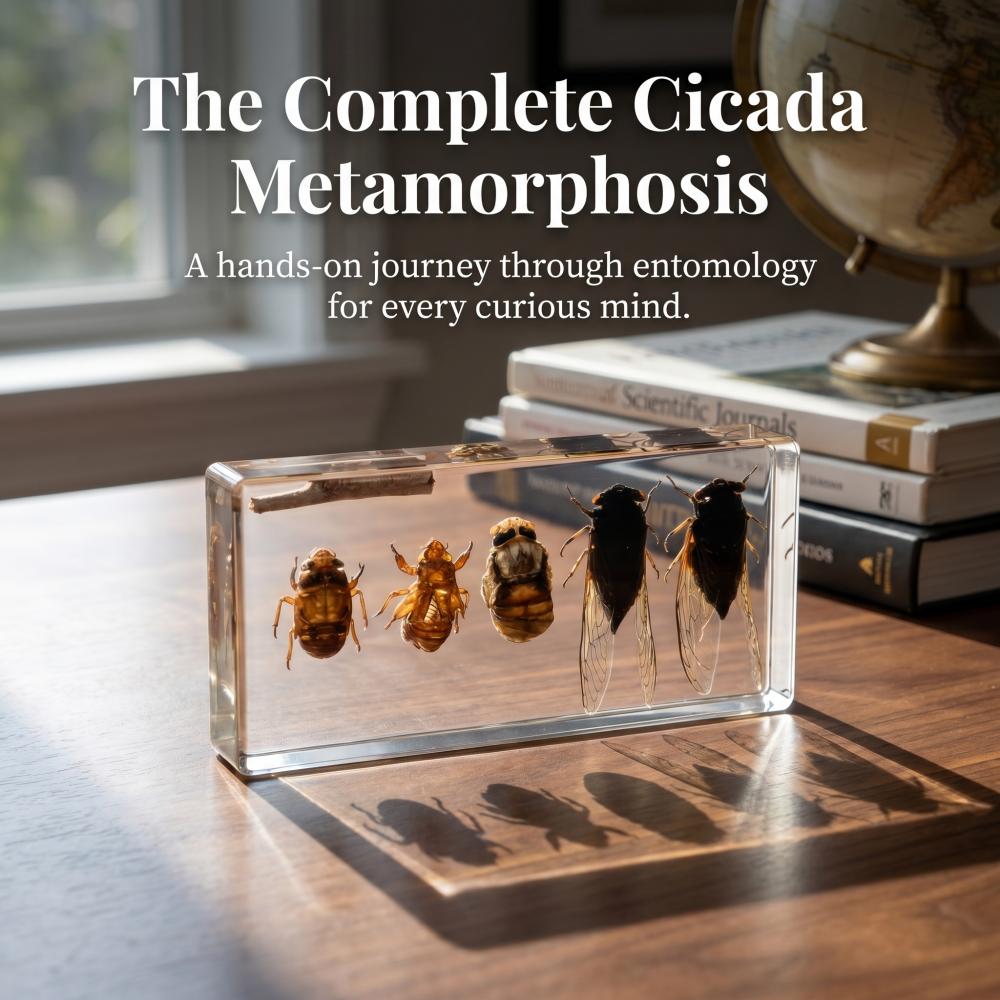
Traditional science teaching aids for young children often fall into two inadequate categories: flimsy plastic imitations that feel inauthentic, or genuine specimens too fragile for small hands. Resin educational specimens uniquely bridge this gap. Their inherent safety—no sharp edges, non-toxic materials, fully sealed surfaces—makes them trustworthy for independent exploration. Their exceptional durability withstands hundreds of curious hands without fading, breaking, or degrading. Their visually captivating clarity transforms ordinary natural objects into magical artifacts worthy of a child's deepest attention.
Ideal Materials for Sensory Exploration
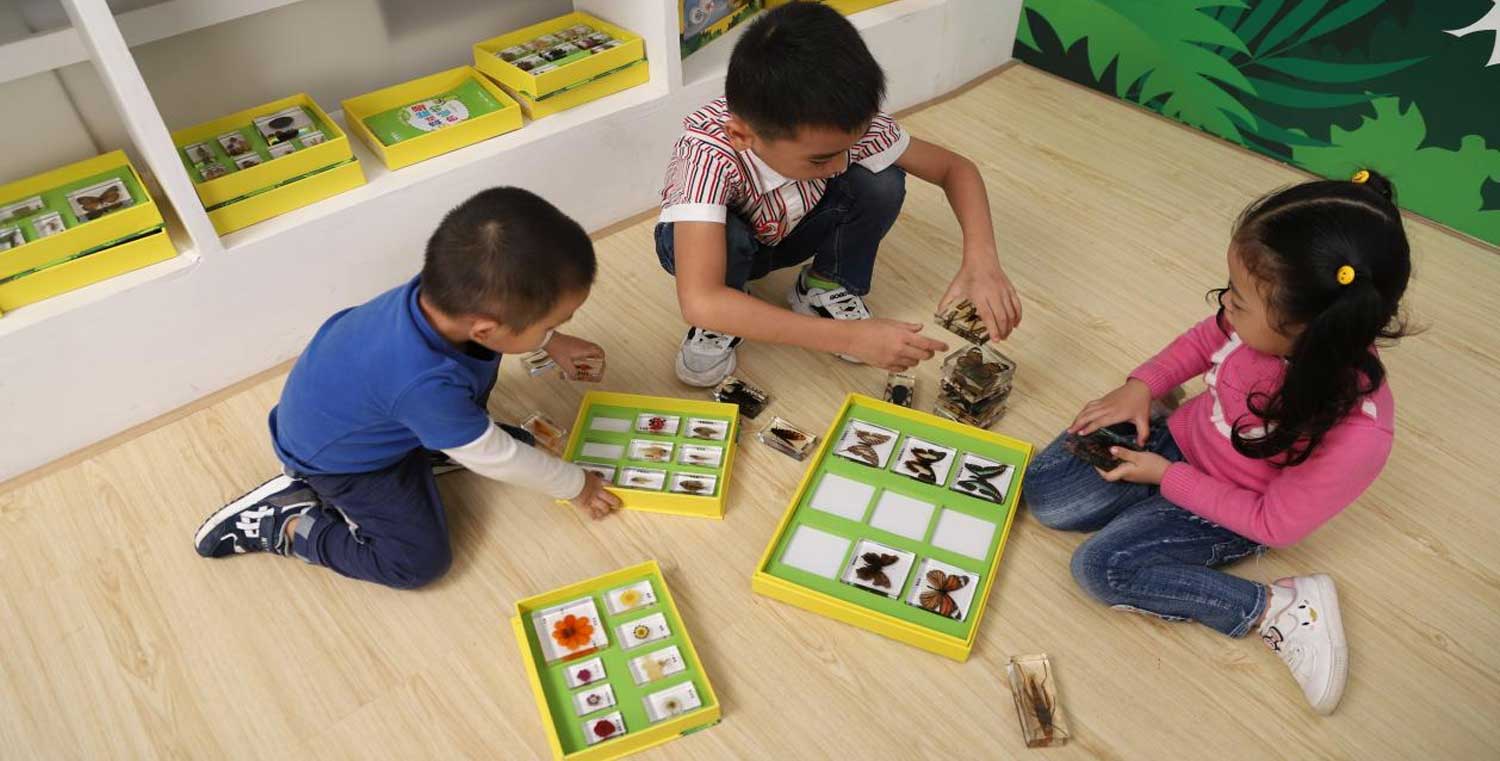
Touch: The smooth, cool, solid feel of resin contrasts with the softness of an embedded feather, the texture of a leaf vein, or the roughness of a pebble, providing excellent tactile discrimination practice.
Sight: High transparency allows children to observe objects from all angles, discovering details "hidden" behind a leaf or under a petal, fostering detailed observation and spatial awareness.
Language Development: Teachers can prompt with "What do you see?" or "How does it feel?", encouraging the use of adjectives, expanding vocabulary from simple "pretty" to more specific "translucent" or "spotted."
Building Foundational Scientific Thinking
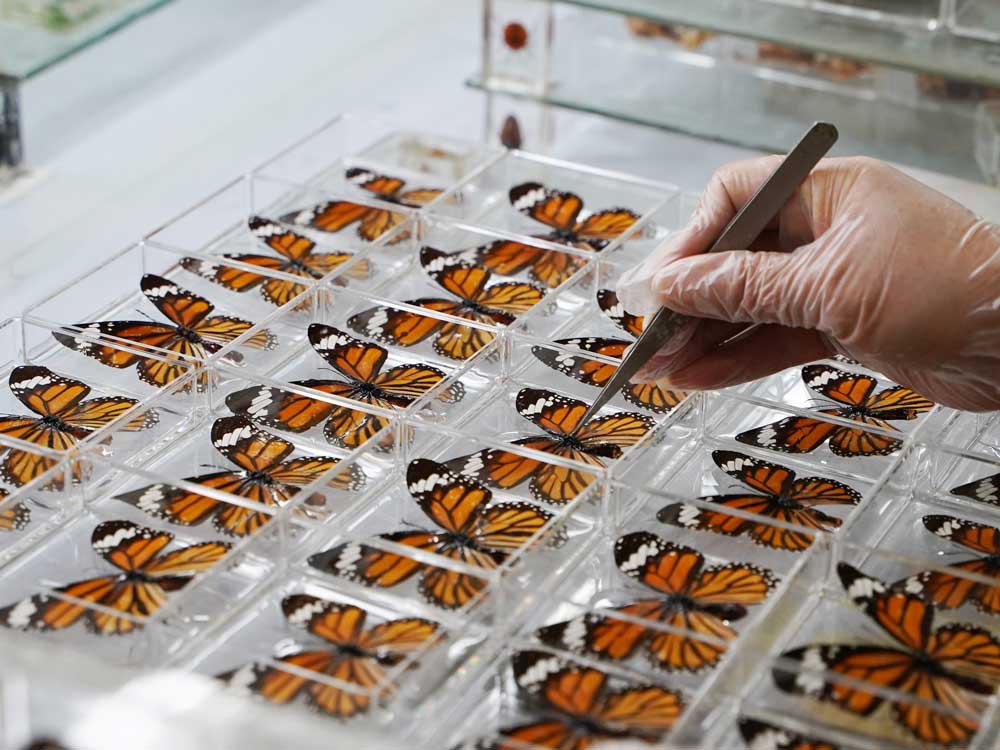
Sorting games with different specimens (by color, living/non-living, habitat) introduce early logical reasoning. Discussing "Why are the butterfly's wings still colorful in the resin?" introduces basic concepts of preservation. Creating simple "life stories" for specimens fosters empathy and narrative skills.
Contact Our Factory Directly
QH Education – Manufacturing Facility
📧 Email: inquiry@qheduresinspec.com
📞 WhatsApp / Phone: +86 18776166986
🌐 Website: www.qheduresinspec.com
📍 Factory Address: NO.19 YINGKAI ROAD, JIANG NAN DISTRICT, NANNING, GUANGXI, CHINA
Bulk orders | Custom specimen embedding | OEM/ODM services