 +86 18776166986


Montessori Biology: The Role of Real Specimens in Early Childhood
2026-08-13
Montessori Biology: The Role of Real Specimens in Early Childhood
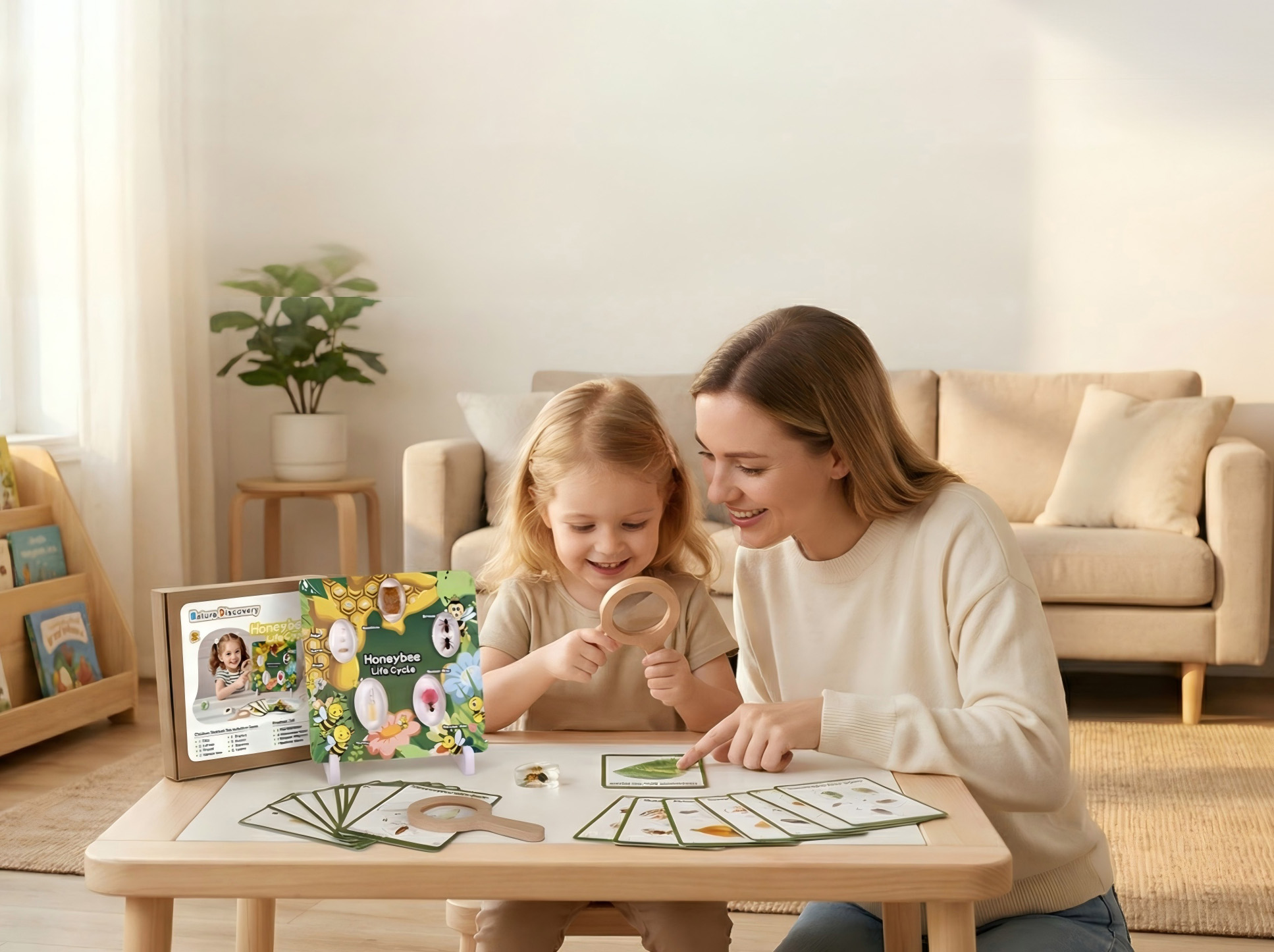
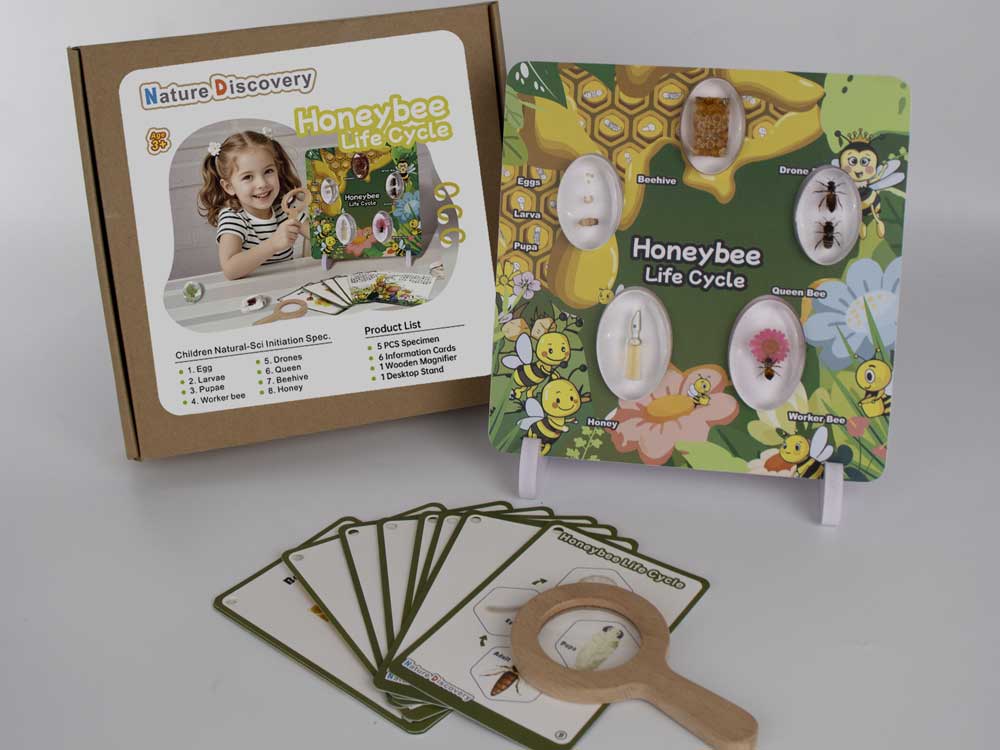
In a Montessori classroom, the natural world is not taught from a textbook—it is placed directly into the child’s hands. Real materials, authentic textures, and genuine biological specimens form the foundation of early biology education. At QH Education, our resin specimen blocks are crafted to align with this philosophy, giving children safe access to real insects, plants, and marine life preserved in crystal-clear, fully cured resin. These resin educational specimen pieces function as both educational toys for independent exploration and early learning toys for guided group lessons, making them valuable Montessori materials for any prepared environment.
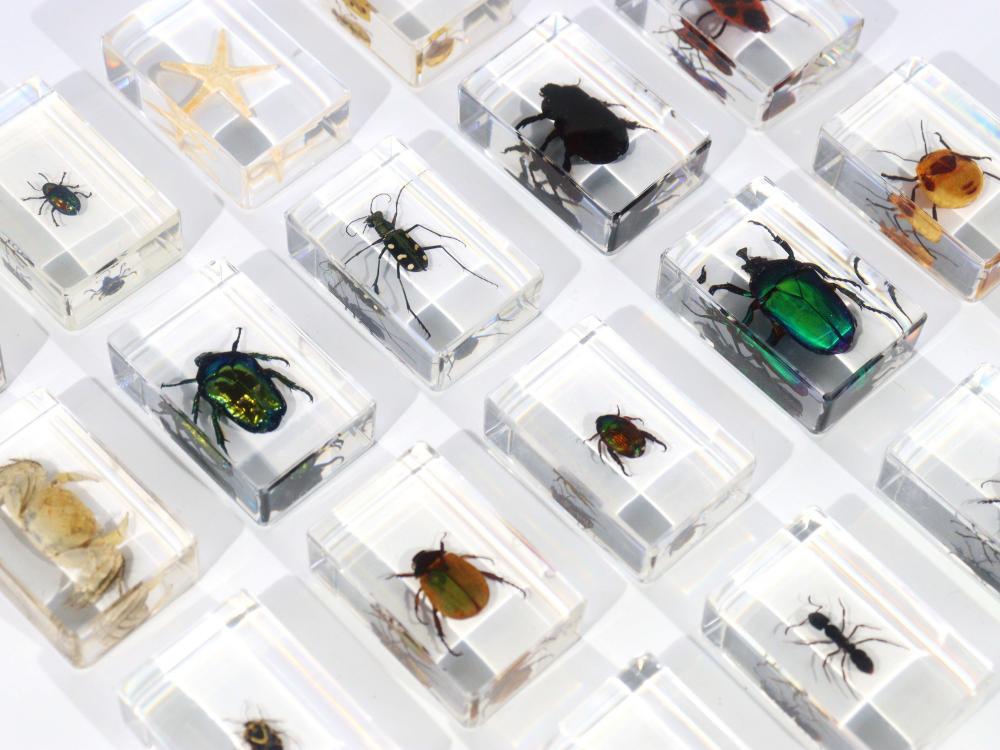
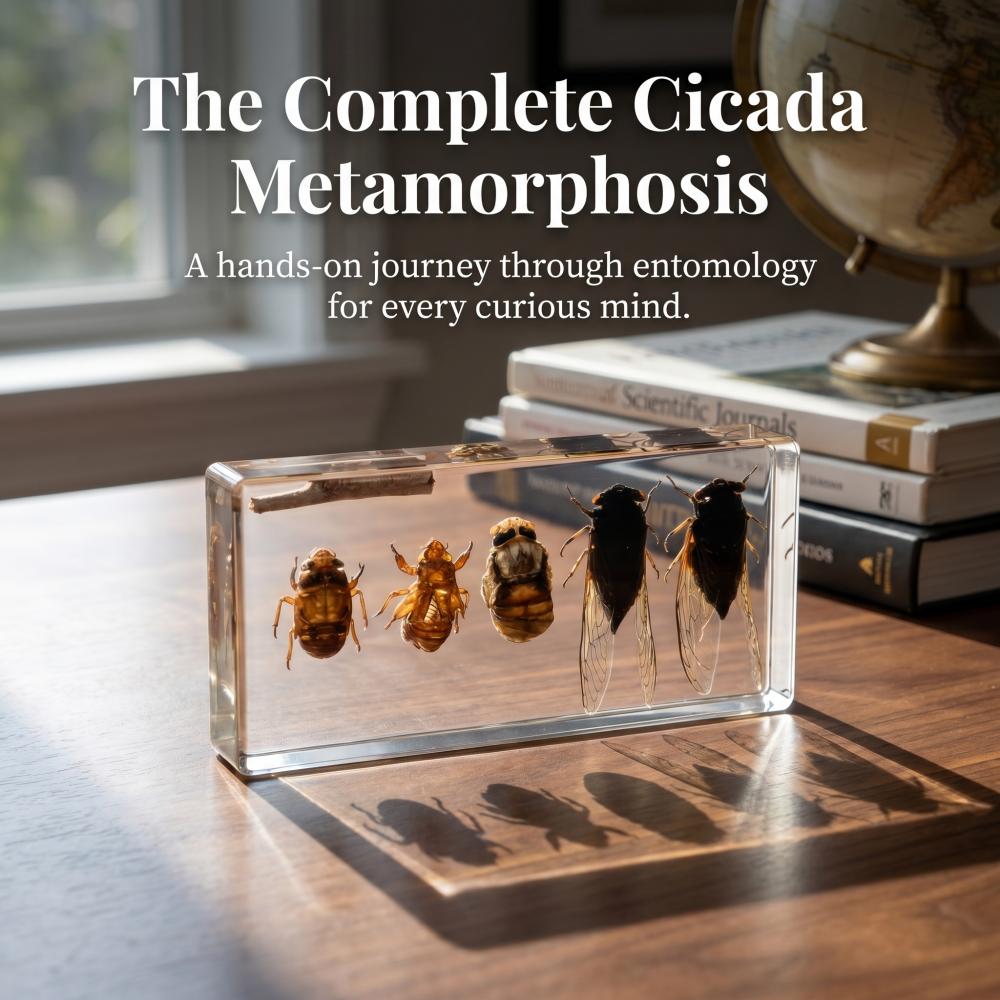
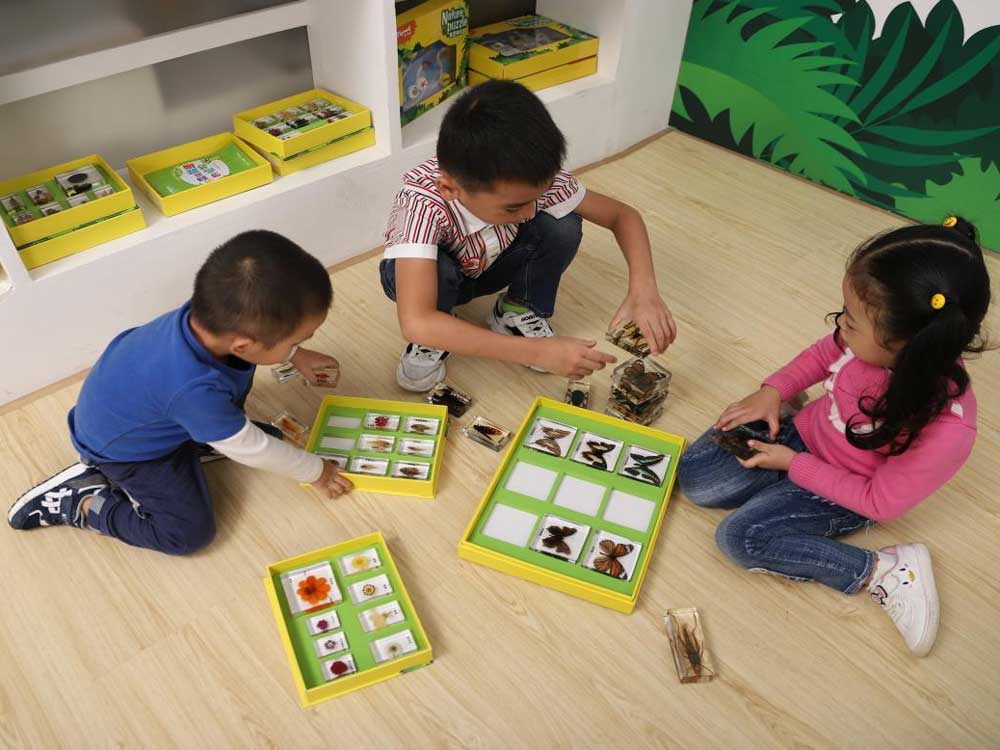
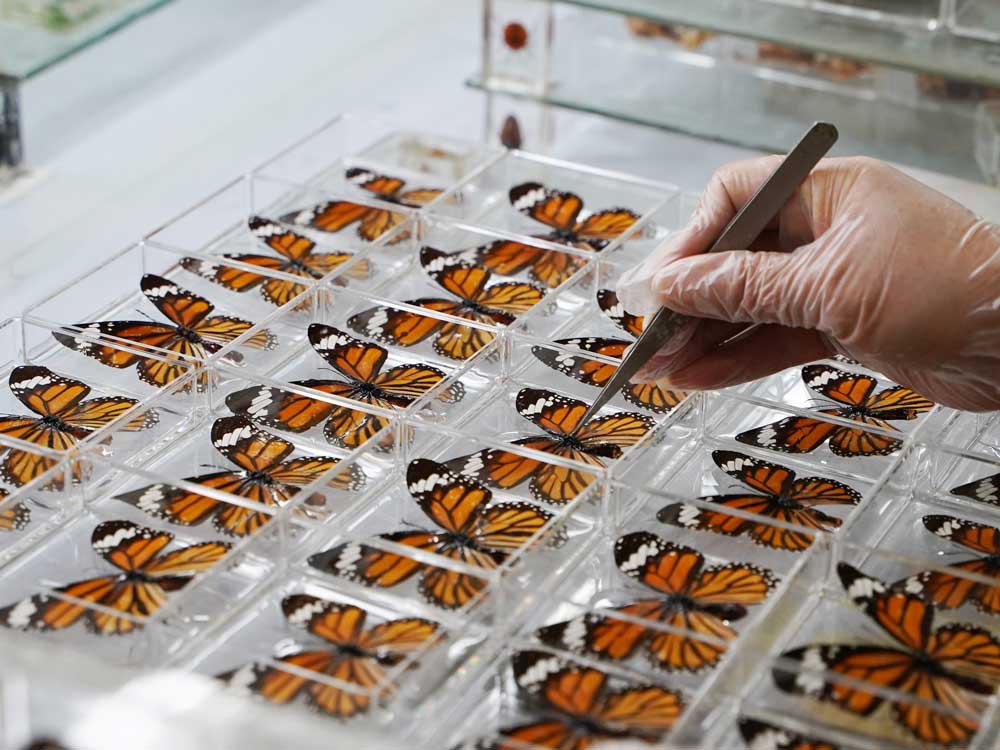
Maria Montessori emphasized the importance of reality in the early years. A child who holds a real beetle sealed inside a transparent block engages far more deeply than one who looks at a photograph. Our specimens are fully embedded in a stable resin that has undergone complete polymerization, locking all components within a chemically inert and durable solid. The blocks are hard, odorless, and safe for supervised handling by children aged three and above. Our smallest pieces measure approximately 4cm, a manageable size for small hands that still allows clear observation of delicate wing veins, body segments, and natural colors. These features make our resin specimen blocks reliable hands-on learning tools that can be used daily without deterioration.
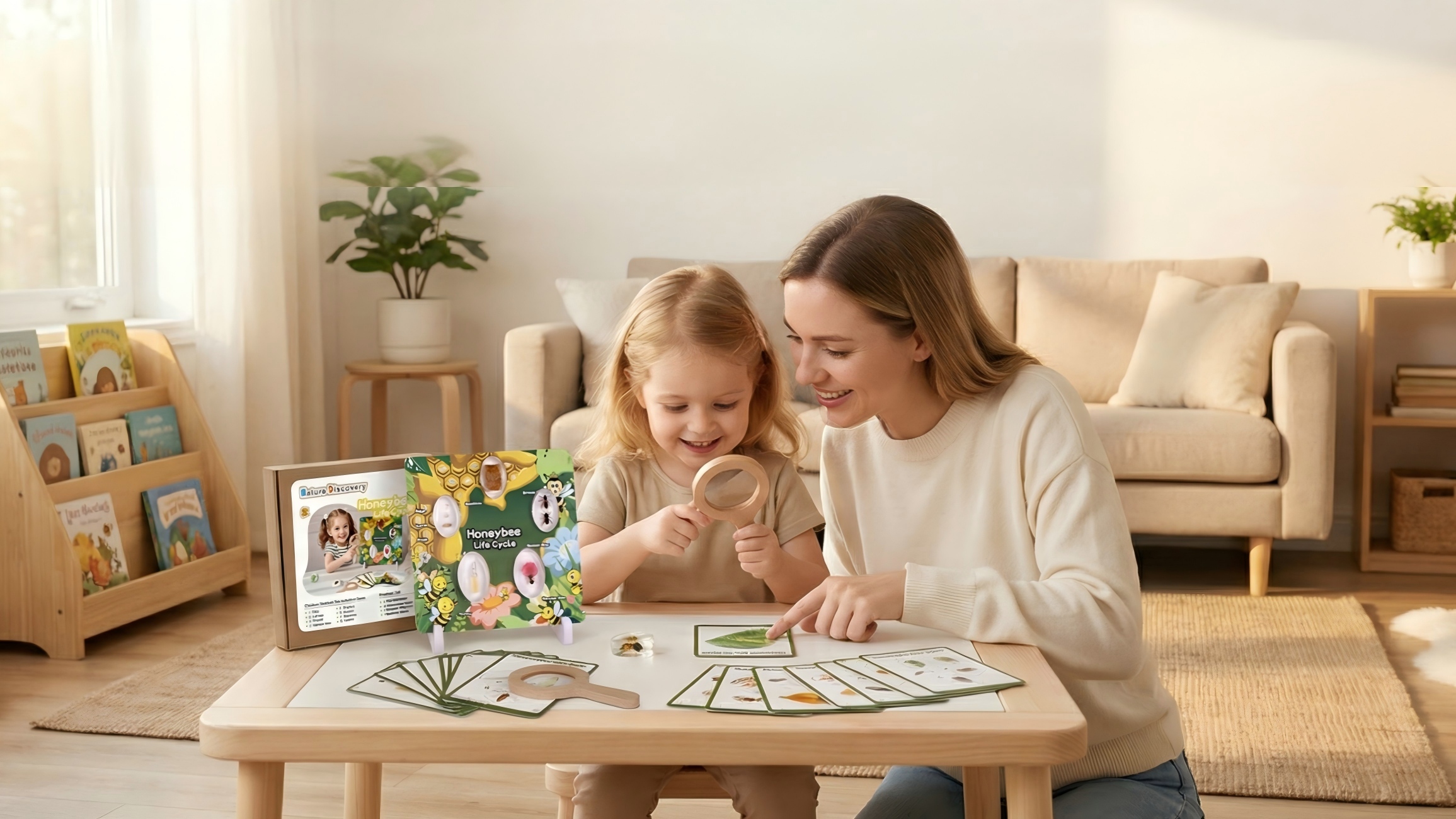
In the Montessori biology curriculum, children begin by exploring living and non-living things, then progress to plant and animal classification. A set of resin educational specimen(https://www.qheduresinspec.com/educational-specimen/) blocks covering insects, arachnids, crustaceans, and flowering plants provides concrete educational toys for these foundational lessons. The specimens are permanently sealed, so there is no risk of breakage or decay, and the smooth rounded edges ensure safe manipulation. Teachers can arrange them on a nature table alongside real leaves and shells, inviting comparisons between the actual object and its preserved counterpart. This pairing deepens sensory learning and sharpens observation skills, two cornerstones of the Montessori method.
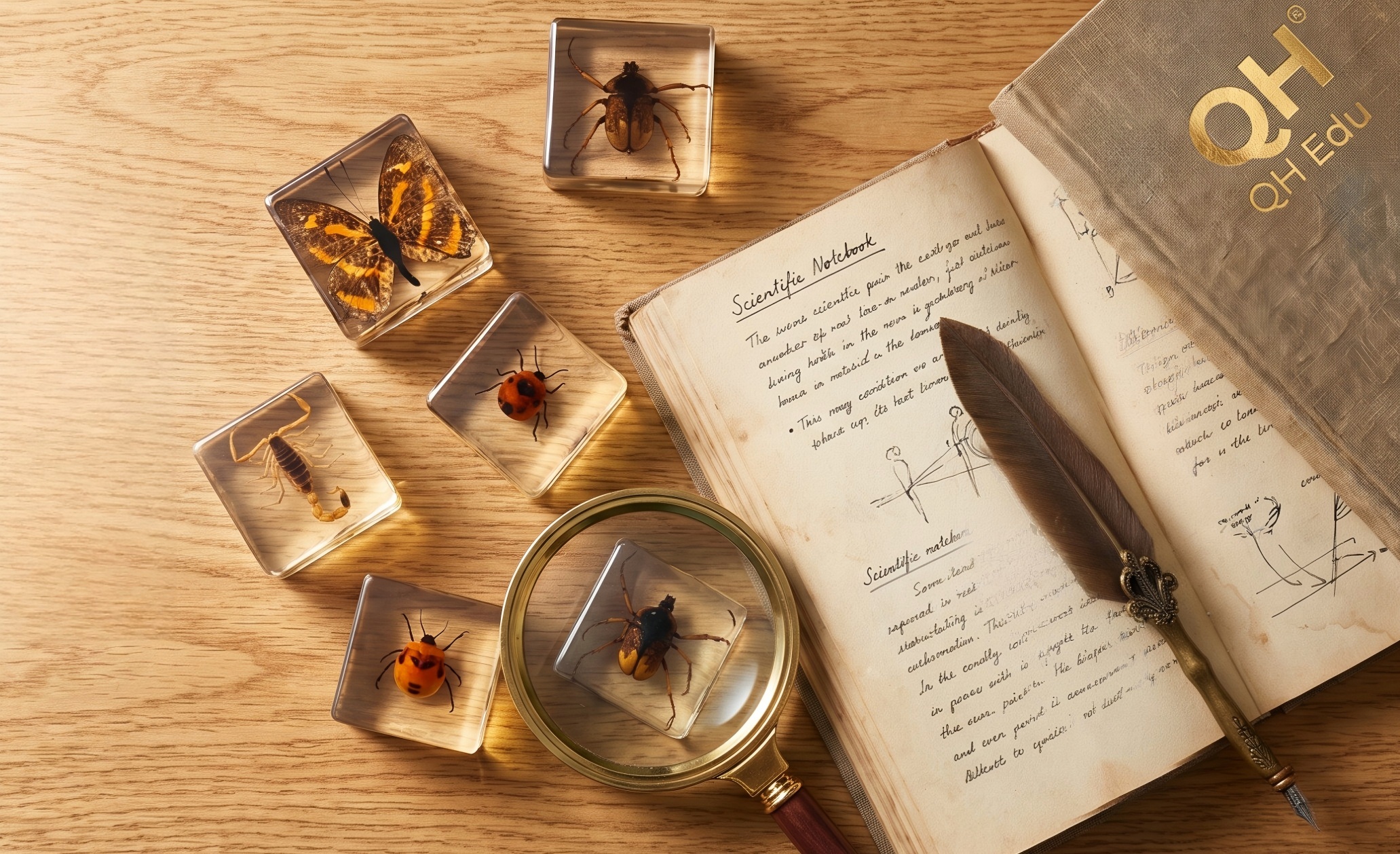
Language development also benefits from real specimens. When a child holds a resin specimen of a butterfly and learns the words “antenna,” “thorax,” and “abdomen,” the vocabulary becomes attached to a tangible experience. Our blocks serve as stem learning toys that bridge biology and language, supporting three-part card matching, sorting by characteristic, and storytelling. As an educational toy, each block can be used across multiple curriculum areas, from science to art to practical life exercises in careful handling and returning materials to the shelf.
For schools seeking durable, reusable resources, our resin specimen collection offers long-term value. Unlike dried specimens that crumble or glass displays that shatter, these blocks withstand daily classroom use. They require only a gentle wipe with a damp cloth to stay clean, and their sealed surface prevents contact with any organic material. This practicality makes them reliable early learning toys for busy Montessori environments where materials must be both beautiful and functional.
Contact Our Factory Directly
QH Education – Manufacturing Facility
📧 Email: inquiry@qheduresinspec.com
📞 WhatsApp / Phone: +86 18776166986
🌐 Website: www.qheduresinspec.com
📍 Factory Address: NO.19 YINGKAI ROAD, JIANG NAN DISTRICT, NANNING, GUANGXI, CHINA
Bulk orders | Custom specimen embedding | OEM/ODM services