
 +86 18776166986




The Science Behind Resin Preservation: A Clear View into Nature
2026-03-23
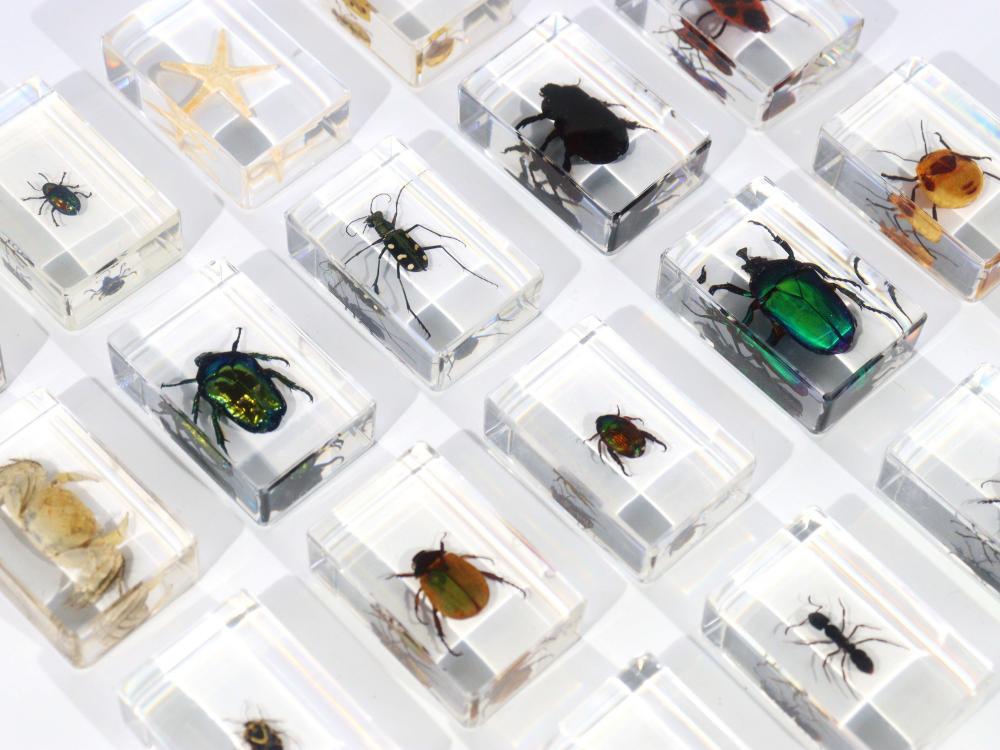
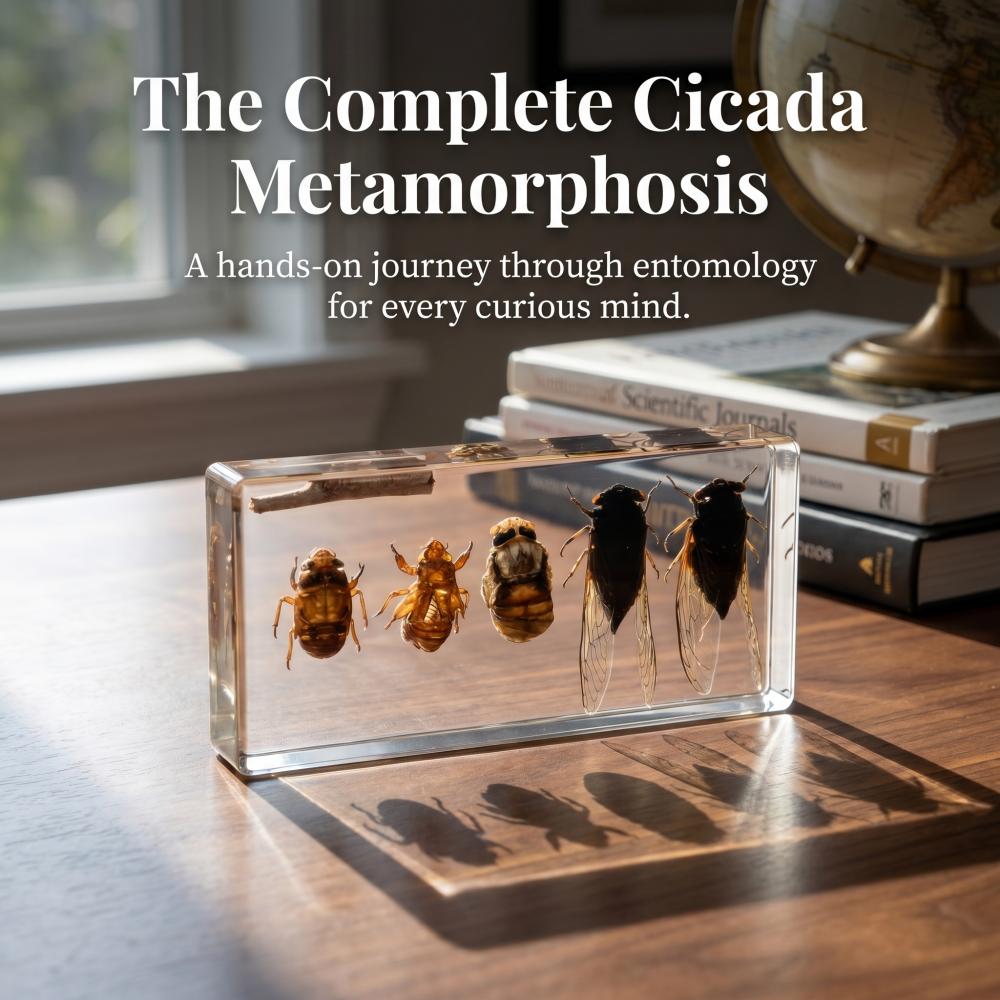
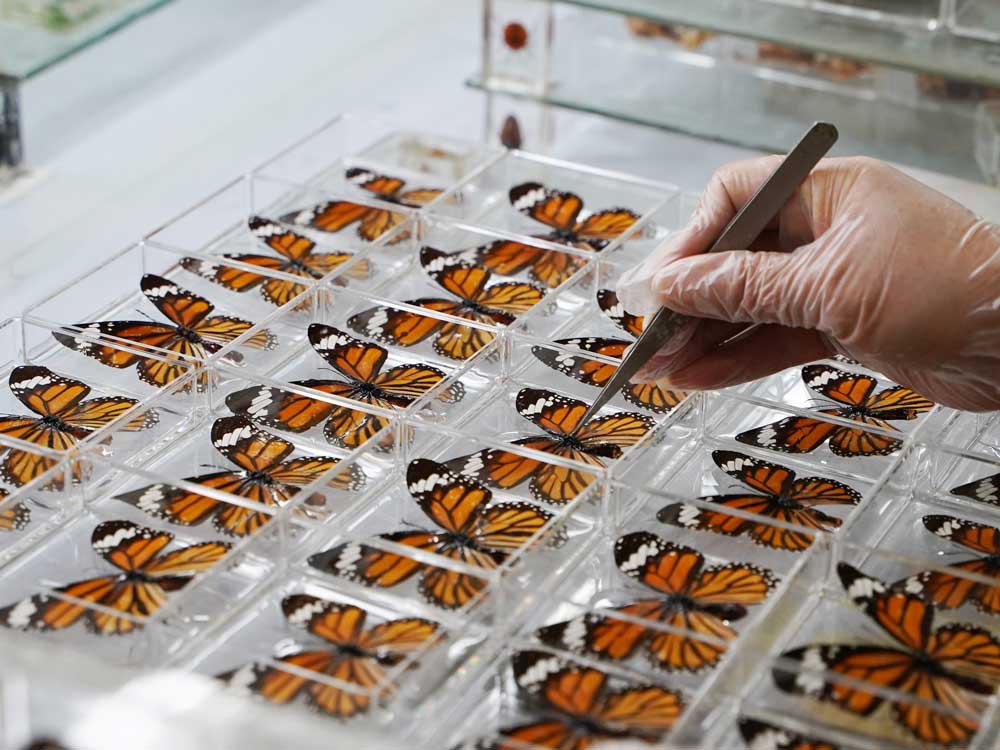
Have you ever wondered how our resin educational specimens capture the intricate details of a butterfly's wing or the delicate veins of a leaf with such perfect clarity? The secret lies in the fascinating chemistry and physics of resin. Unlike traditional preservation methods that can shrink, fade, or require harsh chemicals, resin encapsulation offers a window into nature that lasts for decades.
The Process: From Liquid to Lucid Solid
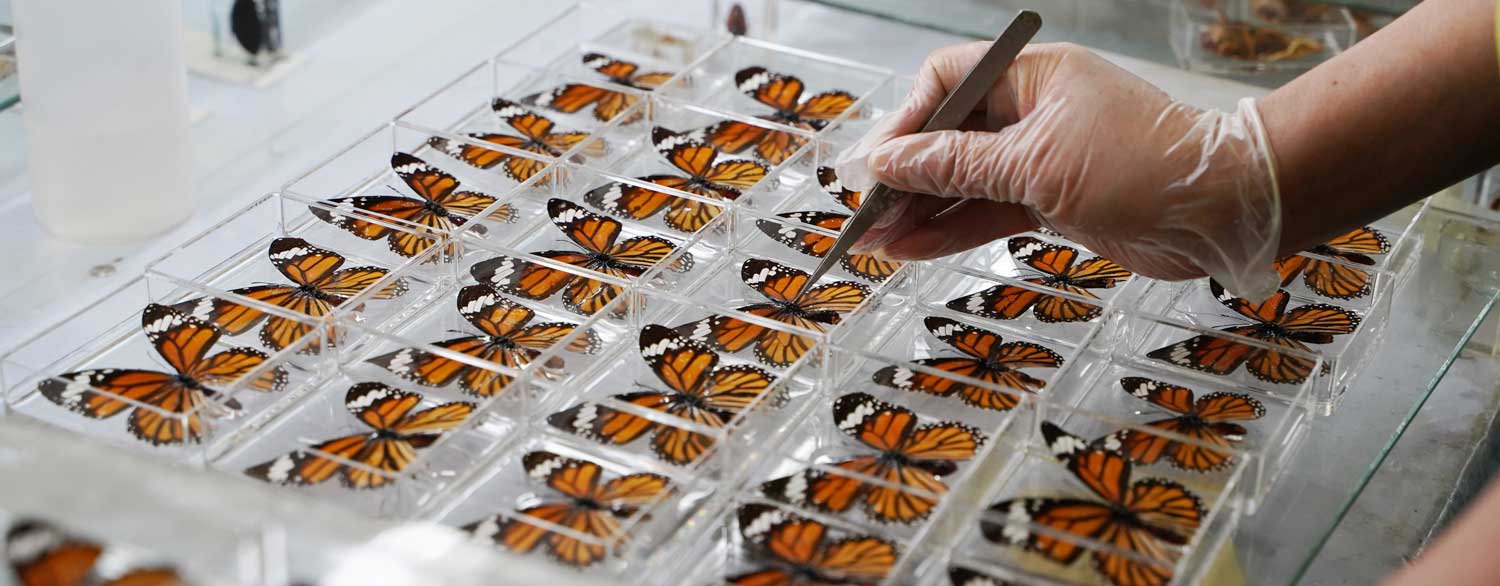
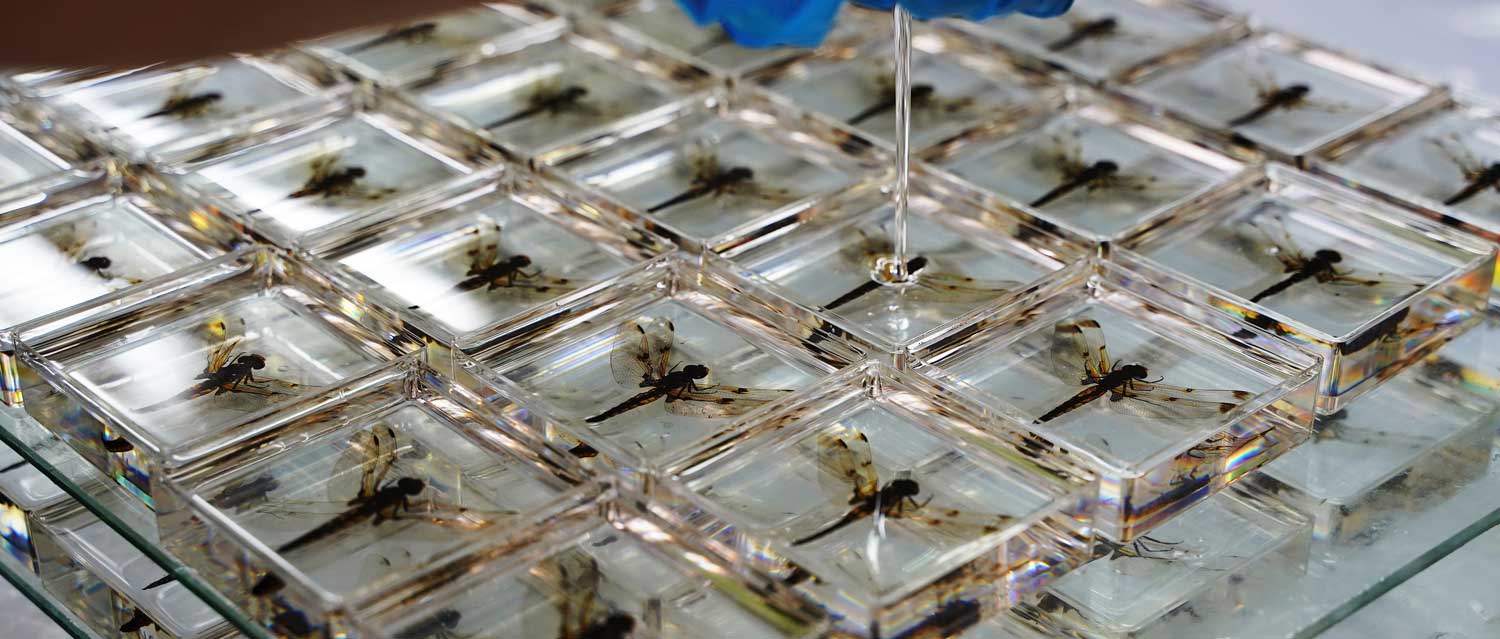
Our process begins with a high-quality, crystal-clear epoxy resin. In its initial state, the resin is a viscous liquid. This is crucial, as it allows the material to flow into and around every microscopic crevice of the specimen—whether it's the antennae of an ant or the texture of a pine cone. When the hardener is added, a chemical reaction called "polymerization" is triggered. During this reaction, the small molecular chains (monomers) in the liquid cross-link to form a rigid, three-dimensional network (a polymer). This transformation from liquid to solid happens gradually, preventing the formation of bubbles and ensuring the specimen remains perfectly positioned.
Why Resin is an Ideal Preservative
01
Microscopic Encapsulation: The resin creates a physical barrier that is impervious to oxygen and moisture—the two main culprits of decay (oxidation and hydrolysis). This essentially puts the specimen in a state of suspended animation.
02
UV Resistance: Our specially formulated resins include additives that filter ultraviolet light, preventing the fading that commonly occurs in specimens exposed to sunlight in classrooms or museums.
03
Durability and Safety: The resulting polymer block is shatter-resistant, non-toxic, and easy to handle. It can be passed around a classroom of curious students without risk of damage to the specimen or the students.
An Interactive Tool for Inquiry
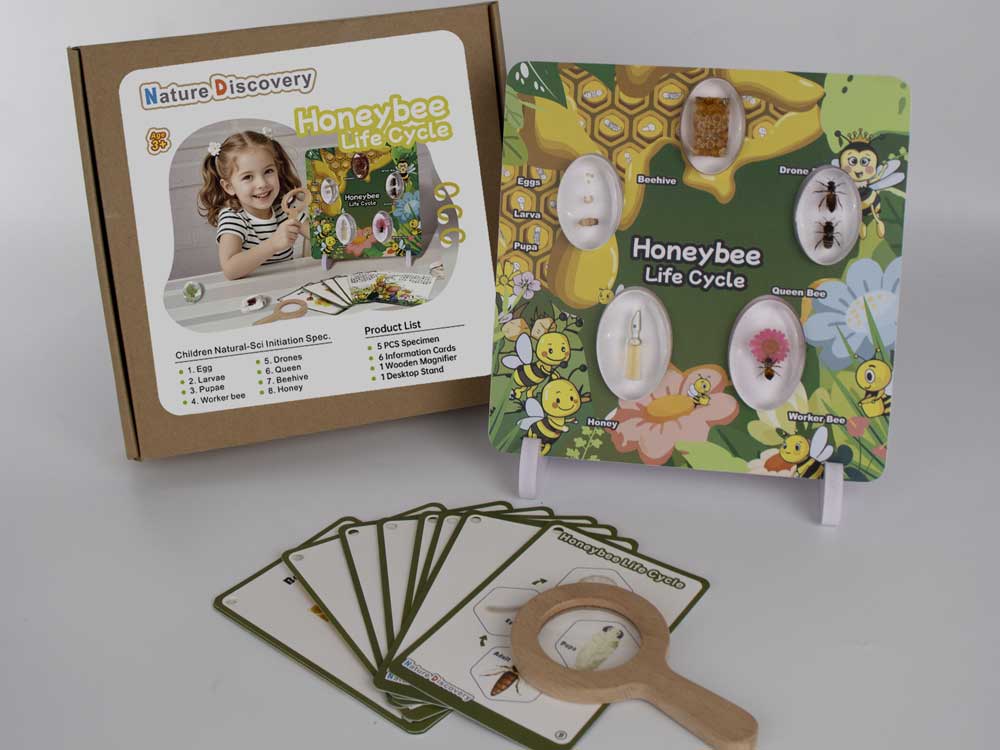
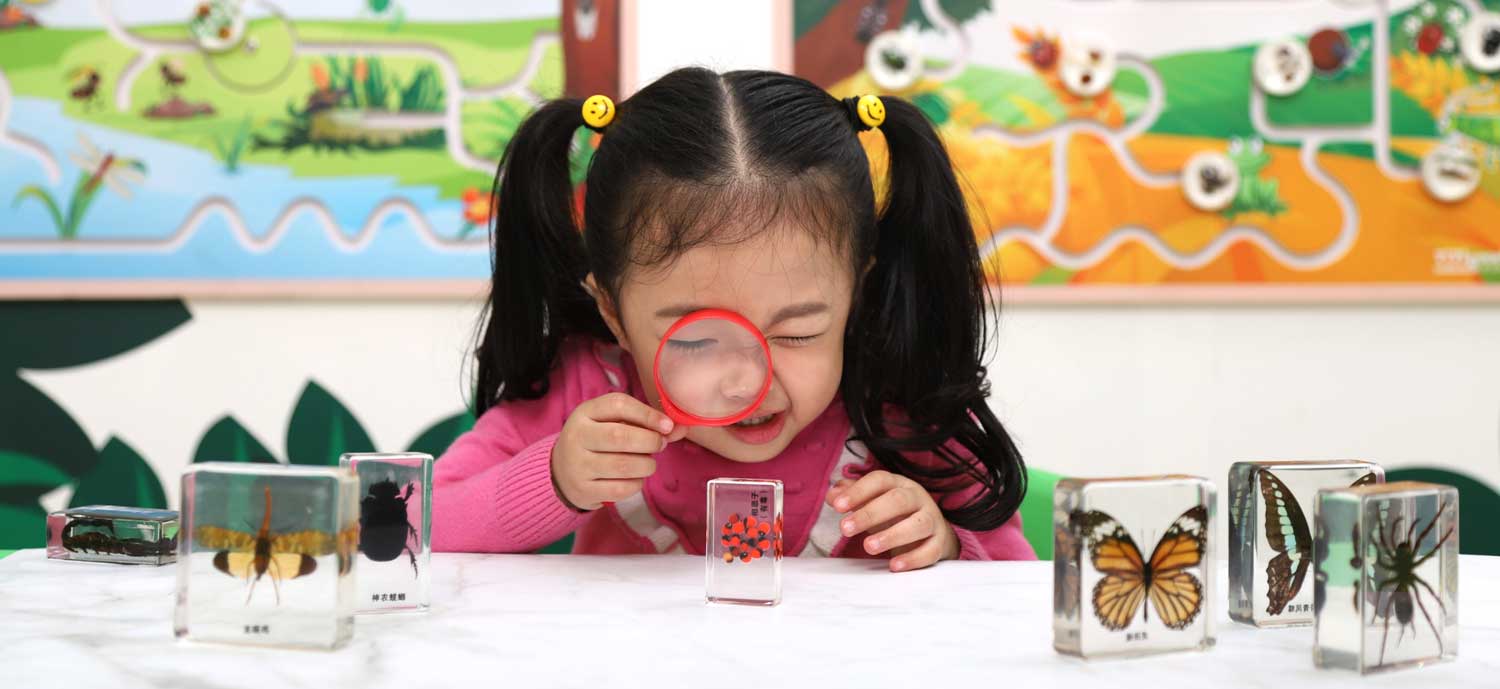
The real power of resin preservation is educational. Because the specimen is encapsulated in three dimensions, students can observe it from all angles, just as a scientist would under a microscope. This makes abstract concepts like symmetry in biology, geological texture, or structural adaptation tangible and memorable.
Contact Our Factory Directly
QH Education – Manufacturing Facility
📧 Email: inquiry@qheduresinspec.com
📞 WhatsApp / Phone: +86 18776166986
🌐 Website: www.qheduresinspec.com
📍 Factory Address: NO.19 YINGKAI ROAD, JIANG NAN DISTRICT, NANNING, GUANGXI, CHINA
Bulk orders | Custom specimen embedding | OEM/ODM services