Leave Your Message

Blog

How to Choose Life Cycle Toys for Your Business

How to Choose Life Cycle Toys for Your Business

Honestly, when you're picking Life Cycle Toys, it's not just about how they look in the photos or what they cost. You might see a toy that seems super cute online, but then after a week of play, it feels like it's falling apart, you know? So you've got to think about the whole deal: where the materials come from, how it's made, the packaging, getting it to your store, how long it'll last, and what happens when it's done. Every little thing counts. You know, a sturdy hinge, a part you can actually swap out, or even just a compact package – these little things can totally change how much a product is worth in real life. And guess what? Clear supplier records? They can make a huge difference too. So, quick heads-up before we dive in: Maya Chen is a fictional toy-sourcing specialist, not some real-world expert you should quote at a conference. Her editorial motto is something like, “Choose toys for the years of use they can earn, not just the first sale they can make.” It’s a handy little prompt, but honestly, it’s not an official industry quote or anything. So yeah, if you’re a responsible buyer, definitely still do your homework—check product specs, supplier evidence, age guidance, and whatever market requirements apply before you make any claims or place an order. Okay, so you're trying to figure out how to compare toy options from a lifecycle perspective? It's not just about the fun factor – you've got to dig deeper. First off, can the toy actually survive repeated rough handling? And are the materials and care instructions clearly documented? I mean, not just a vague line, but real details. Then there's the packaging – is it easy to open without creating a mountain of waste? Another big one: can the supplier explain what happens when something breaks or when you're done with the toy? Repair, reuse, disposal – anything like that. But here's the thing: don't just take their polished promises at face value. Ask for evidence, real proof. And honestly, sometimes you won't get a complete answer. That's worth admitting – it's better than pretending everything's perfect. Look, you can't make every single risk disappear just by being careful when you buy. But here's the thing: it's a great way to catch the weak spots before your customers ever see them. And that can make a real difference—helping you choose stuff with genuine lasting play value.
Read more »
Clara By:Clara - November 10, 2026
What Are Life Cycle Kits?

What Are Life Cycle Kits?

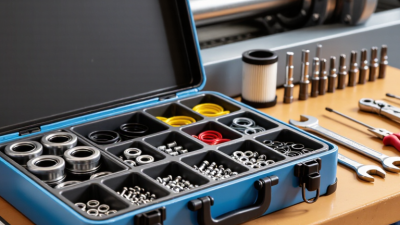
Life Cycle Kits—you know, those Life Cycle Kits—are basically organized sets of parts, tools, and instructions that help keep a product going through its different life stages. Depending on what industry you're in, a kit might be put together for installation, routine upkeep, refurbishment, or even replacement. And here's the thing: what goes inside shouldn't just be a random bunch of stuff. It should actually match the equipment, how often it's serviced, and the conditions it works under. Otherwise, what's the point, right? When a technician opens one up, they should find things clearly labeled, parts that actually fit, and instructions that get straight to the point—you know, the stuff that answers the real practical questions. At its core, this is circular design in action—you keep things working longer and set repairs up so they're actually easy to schedule. There's a famous line from Walter R. Stahel, the guy who basically pioneered the performance economy: “the shorter the loop, the more profitable it is.” For Life Cycle Kits, that translates to having the right seal, filter, or fastener on hand before the service appointment even rolls around. And yeah, the little things really count. But just throwing a kit together doesn't automatically make it sustainable or cost-effective. Let's be honest—bad forecasting means you end up with parts gathering dust on a shelf, and vague instructions? They just slow everything down. So buyers have to do their homework: check compatibility, shelf life, whether you can reorder, and what's not included. That's a lot of work, no doubt. And here's the thing—there's no one-size-fits-all kit. Needs shift as equipment gets older, gets used more, or runs in different conditions. But if you take the time to go through maintenance records, you'll get a much clearer picture of what actually belongs in the next kit—and what doesn't.
Read more »
Clara By:Clara - November 5, 2026
Which Scorpion Specimen Is Best for Buyers in 2026?

Which Scorpion Specimen Is Best for Buyers in 2026?

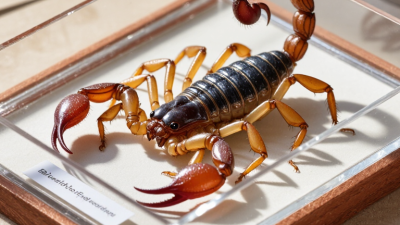
So when you're choosing a Scorpion Specimen in 2026, try not to get too distracted by flashy colors or just picking the biggest one. What really matters is how well it's preserved, how much detail you can spot, and whether the paperwork actually checks out. A good specimen will usually have intact legs, clear body features, and a clean display mount. And hey—don't ignore those small flaws. They can tell you a lot. You know how sometimes a piece looks great, but then the label's all loose or the container's gone cloudy? Yeah, that can make it way harder to really judge it. Look, photos only get you so far. Sure, they're great, but they can hide a lot too. So when you're checking out a specimen, don't just zoom in on the pretty pictures. Ask the seller for some recent, well-lit shots from a bunch of angles, and get them to talk about how it was prepped and where it came from. A good seller should be able to tell you exactly what the specimen is and how they got their hands on it. If their answers are clear and direct, that's a great sign. If everything's super vague and full of "trust me" energy, that's a red flag. And prices? They're all over the place. Don't assume the most expensive one is the best—compare similar pieces and let that guide you. So here's the thing about responsible buying: you've got to check the rules around possession, shipping, and import where you live. They're not all the same, and they can change on you. So don't just take the seller's word for it—actually confirm things with the relevant authorities before you order. Yeah, it's a bit of a hassle, but it's worth it. And ethical sourcing? That matters just as much. If the documentation feels incomplete, that's a red flag—pause and think twice. Look, no checklist is going to catch every single risk. You just have to do your due diligence and hope for the best. If you're on the hunt for a new specimen, this article's got your back. We'll walk you through some practical questions to ask, red flags to keep an eye out for, and how to choose something that actually fits your display, your collection, and—let's be real—your budget.
Read more »
Clara By:Clara - November 2, 2026
What Are the Top Learning Toys Manufacturers in China?

What Are the Top Learning Toys Manufacturers in China?

When you're picking a supplier for learning toys in China, it's really not just about the price tag. I mean, sure, you want a good deal, but there's so much more to it. You've got to think about the product design, what materials they're using, how they handle quality checks, and even how well they communicate with you. Those things can make or break the final product. Take a wooden puzzle, for instance. In a catalog, it might look perfectly smooth, but you need to actually examine the edges, the paint finish, and even the packaging. Little details like that can be a big deal. Here's the deal: this guide walks manufacturers through practical ways to check if they're really a good fit. And it zeroes in on the things buyers can actually verify - like the range of products they offer, how much they can customize, the quality of samples, their production capacity, and how clear their factory documents are. Now, samples can give you a decent idea of what's coming, but let's be honest - they're not a crystal ball. You can't expect every single batch to match perfectly. That's definitely something worth paying attention to. Look, companies evolve and their product lines shift all the time, so treat any shortlist as a handy starting point, not a final stamp of approval. When you're about to place an order, it's worth double-checking with the manufacturer that their certifications are current and actually apply to the specific items you're eyeing. Don't be shy about asking pointed questions—what materials are used, how they handle inspections, what the lead times really look like, and how they deal with defects. If their answers feel vague or wishy-washy, that's a red flag; hit pause before you commit. You know, the strongest partnerships aren't always the ones with the biggest product catalogs. Honestly, I've found that the real standout relationships are often those where people are upfront about what they can't do, and they actually stick to their promises—following through consistently. This overview is meant to give you a more practical, down-to-earth comparison of that, but just keep in mind: you should always verify supplier details yourself. Don't take my word for it—check directly.
Read more »
Emily By:Emily - October 30, 2026
10 Plant Specimen Sourcing Tips for Global Buyers

10 Plant Specimen Sourcing Tips for Global Buyers

Sourcing a plant specimen from another country? It's not just about picking a nice picture online. Believe me, buyers around the world have to dig into the botanical identity, know exactly where it came from, and make sure every handling record is straight. You'd be surprised—even a perfectly healthy sample can get rejected at customs just because the paperwork is a mess. Yeah, the tiny stuff really does matter. Before you go ahead and confirm that order, take a quick glance at the scientific name, when it was collected, its growth stage, dimensions, and overall condition. Oh, and don't forget to ask for recent photos with a ruler placed right next to the specimen. Honestly, that one little step can save you from a lot of trouble—it might reveal broken roots, leaves that aren't fully grown, or even a scale that's totally misleading. Look, a trustworthy supplier will actually walk you through how they propagate their plants and give you records you can trace. You’ll want to ask straight up: was this nursery-grown, legally collected, or did it come through some approved research channel? And before anything ships, double-check those import permits, phytosanitary certificates, packaging standards—and don’t forget any restrictions on the destination country. Also, if you’re dealing with temperature-sensitive plants, you’ve got to think about breathable packaging and moisture control, plus try to time delivery so it doesn’t get stuck over a weekend. You know, sometimes you just can't tell if a species is tricky. That's where independent botanical experts or accredited labs come in handy. Sure, their review costs a bit extra, but think of it as insurance against a pricey rejection down the road. Let's face it—no checklist is ever perfect. Even the most seasoned buyers can overlook things when seasons shift or suppliers tweak their catalogs. From my own experience, getting things in writing really cuts down on the confusion, especially when the same plant goes by different names in different places. So, I always say: keep your invoices, photos, permits, and inspection notes all in one spot. A thoughtful sourcing approach does more than just tick boxes—it protects biodiversity, supports ethical growing, and forges solid partnerships across borders. Plus, if anything goes south, you've got the paperwork to back you up. Honestly, that part’s pretty awkward, but you’ve got to push through – no way around it.
Read more »
Emily By:Emily - October 27, 2026
How to Choose the Right Life Cycle Kits for Global Sourcing

How to Choose the Right Life Cycle Kits for Global Sourcing

Picking the right Life Cycle Kits for global sourcing? Honestly, it’s not just about comparing prices. A good kit should actually support you through the whole journey—product development, manufacturing, maintenance, replacement, and responsible end-of-life handling. Buyers still need clear specs, consistent component quality, and a supplier who communicates reliably. And yeah, the small details? They matter more than you might think. You know, it's kind of wild — even a missing adapter can end up holding up a whole production line. When sourcing teams really know what they’re doing, they don’t just look at price. They’ll dig into things like material traceability, how strong the packaging is, whether replacement parts will be available, and the technical docs behind it all. Supplier quality systems, audit records, and past performance? Yeah, those get reviewed too. Certs like ISO 9001 can be helpful evidence, sure—but a certificate by itself doesn’t prove they’ll deliver consistently. Honestly, direct factory visits, sample testing, and seeing documented corrective actions usually tell you a lot more. And don’t forget: local requirements need to be checked before anything ships. Global doesn’t mean everything ends up identical. Honestly, the best choice really comes down to how the product actually lives and where it’s used. A medical equipment supplier? They might need sterile packaging and tight batch records. An industrial tools company, on the other hand, may care more about durability, easy repairs, and parts you can swap around. Take Northstar Components—they could probably cut delays by using the same fasteners across regional kits. But then again, standardizing can make customization harder. It’s a trade-off, and one that’s worth looking at carefully. Let's be honest: no checklist gets everything right. Supplier conditions shift, and forecasts? They can miss the mark. So a practical evaluation needs both solid, verified data and the kind of judgment that comes from experience. Buyers shouldn't just look at the first quote—they should weigh the full lifecycle cost. Things like freight, storage, training, waste, and replacement delays can really change the value you're getting. If criteria are clear and supplier reviews happen regularly, Life Cycle Kits can help you run safer operations, build stronger resilience, and source globally in a more responsible way.
Read more »
Sophia By:Sophia - October 24, 2026
10 Tips for Choosing the Right Plant Specimen Supplier

10 Tips for Choosing the Right Plant Specimen Supplier

Choosing the right Plant Specimen supplier is more than comparing prices or browsing attractive catalogs. It is a quality decision with scientific, ethical, and practical consequences. A reliable supplier should explain specimen identity, collection location, preservation method, storage conditions, and documentation. The label should work like a small passport: clear, traceable, and easy to verify months later. Industry data shows why careful sourcing matters. The Royal Botanic Gardens, Kew reported in State of the World’s Plants and Fungi 2023 that about 45% of flowering plant species may face extinction risks. Botanic Gardens Conservation International also reported that approximately 30% of tree species are threatened in State of the World’s Trees. These findings make responsible procurement essential. A supplier offering rare material without origin records deserves questions, not immediate trust. Check scientific names against reputable databases. Review conservation status through the International Union for Conservation of Nature and relevant trade controls. Small details reveal operational quality. Ask whether samples arrive in sealed packaging, with stable moisture levels and readable accession numbers. Request recent photographs, batch records, and replacement policies before placing a large order. Experienced suppliers should understand herbarium standards, research requirements, and classroom handling needs. They should also admit uncertainty when identification is incomplete. That matters. No supplier is perfect. Some websites present polished descriptions but provide weak evidence. Buyers can also overlook storage conditions after delivery. Therefore, this guide examines ten practical checks, from taxonomic accuracy and provenance to customer support and long-term reliability. The goal is not to find the cheapest source. It is to select a supplier whose Plant Specimen quality remains defensible, useful, and responsibly obtained.
Read more »
Sophia By:Sophia - October 20, 2026
What Is a Specimen Set and Why Do Buyers Need One?

What Is a Specimen Set and Why Do Buyers Need One?

Honestly, a Specimen Set is just a smart, practical way for buyers to get a real feel for materials before committing to a bigger order. Rather than trusting photos or spec sheets alone, you can actually inspect physical samples in your own space. You get to compare things like color, texture, thickness, finish, flexibility, and how consistent the surface looks. Sometimes a sample shows you stuff a product page simply can't. For seasoned purchasing teams, a Specimen Set can make supplier evaluation a lot clearer. It helps you check whether the sample really matches the stated specs and what your project needs. You can also get a sense of packaging quality, labeling, sample accuracy, and how reliable delivery seems. Those little things often end up shaping long-term partnerships. A good supplier should be ready to share relevant material info, production references, and proper quality documentation. And if performance requirements are tight, independent testing can be worth considering too. That said, no sample tells the whole story—and that's a limitation worth paying attention to. One piece might not represent every production batch, especially since color or texture can shift. So it's smart to ask whether the set comes from current production and whether the sample reflects the final manufacturing method. Also jot down your observations, compare samples under the same lighting, and ask questions whenever something feels off. A careful review takes time, sure, but it can save you from expensive misunderstandings later. So really, a Specimen Set is more than just a bunch of samples. It's a practical communication tool between buyers and suppliers. Use it carefully, and it bridges hands-on experience with technical judgment. It won't wipe out every risk, but it does bring important questions into the open before you commit.
Read more »
Emily By:Emily - October 16, 2026
China Top 10 Life Cycle Toys Manufacturers?

China Top 10 Life Cycle Toys Manufacturers?

China’s toy manufacturing sector has really grown into a go-to source for educational, sensory, and classroom products. Grand View Research put the global toys market at USD 108.7 billion in 2023, and it expects a 4.7% compound annual growth rate from 2024 to 2030. That kind of growth naturally feeds demand for hands-on learning products — including Life Cycle Toys. Life Cycle Toys help kids watch how things change over time, like a seed sprouting, a caterpillar becoming a butterfly, or an animal growing up. A child might set a little caterpillar model next to a butterfly model, and suddenly the lesson isn’t so abstract anymore. The little details matter here. Quality comes down to safe materials, accurate shapes, paint that holds up, and designs that fit the child’s age. This guide looks at China’s top ten Life Cycle Toys manufacturers through the lens of practical buying factors. Think factory experience, product development, export capability, customization, minimum order quantities, and quality documentation. Depending on where you’re selling, you may also need to keep benchmarks like ISO 8124, EN 71, and ASTM F963 on your radar. The Consumer Product Safety Commission and the European Commission are also useful compliance references for buyers. That said, no ranking is ever perfect. Public info can be patchy, and a factory’s capability can shift after an audit. So buyers should verify test reports, production samples, material declarations, and recent customer references. A shiny catalog alone doesn’t cut it. Real evaluation means looking for evidence from the production floor, not just what’s on a company website. The manufacturers here are chosen from a sourcing point of view, not crowned as universally better. It might sound a little cautious, but that caution helps protect schools, distributors, and retailers from purchasing headaches they’d rather avoid.
Read more »
Emily By:Emily - October 12, 2026
Where to Buy Top China Resin Specimens Wholesale?

Where to Buy Top China Resin Specimens Wholesale?

Buying wholesale Resin Specimens from China isn't just about flipping through catalog photos and comparing factory prices. Not even close. What you really want is a supplier who shows consistent craftsmanship, gives you clear info about materials, and keeps production under control. So check the specimen clarity, color consistency, edge finishing, and labeling accuracy. Those little details? They matter. One cloudy surface can drag down an otherwise great collection. Michael Chen, an independent consultant in resin materials, puts it well: "A reliable supplier proves quality through repeatable samples, not persuasive promises." That's a pretty solid standard for anyone buying wholesale. Ask several manufacturers for pre-production samples, then compare them under the same lighting. Look at resin transparency, where the embedded objects sit, surface hardness, and packaging protection. Photos can be misleading—sometimes badly. Companies like BrightCast Materials and SinoCraft Resin can be useful benchmarks, sure. But their claims still need checking. Ask about production capacity, MOQs, inspection procedures, and delivery schedules that are actually realistic. Good suppliers should explain their resin types and hand over the right safety documentation. And when customization changes the price or lead time, they should say so clearly. The cheapest quote is rarely the safest bet. A low unit price can hide inconsistent batches, flimsy packaging, or costly rework. That risk is worth paying attention to. Even experienced buyers can miss transport damage during a busy purchasing season. Personally, I'd compare at least three suppliers and get every technical promise in writing. It's slower, yes, but it leads to a much stronger purchasing decision. The best wholesale partner isn't always the biggest factory. It's the one that keeps delivering accurate, durable, and well-protected Resin Specimens.
Read more »
Clara By:Clara - October 8, 2026
2026 Best Plant Specimen Types for Global Buyers?

2026 Best Plant Specimen Types for Global Buyers?

Hey, so it looks like buyers around the world are rethinking what types of plant specimens are actually worth their while in 2026. Turns out, the most visually stunning samples aren’t always the most reliable or valuable. Sometimes, a well-documented herbarium sheet can be more useful than a fragile, living plant that might not survive the journey. Even a simple seed sample could be better when it comes to storage, transport, and research possibilities. Dr. Alexandre Antonelli, who’s the Director of Science at Kew Gardens, put it best when he said, “We cannot protect what we do not know.” That really hits home, especially when you’re making international purchases. A solid specimen should come with its scientific name, where and when it was collected, who collected it, notes about its habitat, and all the legal paperwork. Without those details, even a gorgeous sample can’t really be verified, and unfortunately, some buyers find out too late that their specimen is missing crucial info. There’s probably going to be more demand for pressed voucher specimens, authenticated seeds, silica-dried tissue samples, wood pieces, and well-kept living collections. Each of these serves a different purpose. Herbarium sheets are perfect for taxonomy and reference. Seeds are key for conservation efforts or controlled propagation. Tissue samples help with DNA research—if they’re collected and handled by the book. Living plants can make a stronger visual impact, but they also require stricter care and more careful packaging and checks when being imported. Big names like Kew Gardens and major university herbaria really show why traceability matters. And honestly, they also highlight an uncomfortable truth: perfect preservation doesn’t really exist. Labels fade, samples age, and digital records can have errors. So, it’s super important for buyers to ask tough questions before they buy: Is the origin clear? Was it legally sourced? Can the supplier explain their preservation process? Ultimately, the best approach for 2026 is to find a balance between scientific value, condition, documentation, and ethical sourcing. Sure, how it looks is important, but what really matters is the evidence and the integrity behind it.
Read more »
Clara By:Clara - October 3, 2026
What Are the Top Taxidermy Mount Types?

What Are the Top Taxidermy Mount Types?

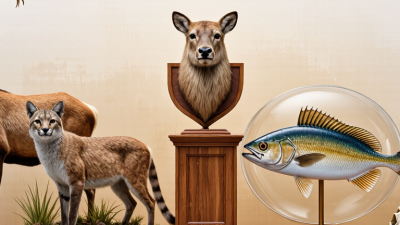
Picking out a taxidermy mount isn't just about finding a pose that looks cool. There's actually quite a bit to consider — like understanding the animal’s anatomy, the materials used, preservation techniques, and making sure everything’s sourced ethically. A good mount should feel natural — it should match how the animal would stand or move in real life, and also reflect its habitat and personality. For example, a deer with big antlers might look great on a shoulder mount, but if you want to really show off movement and proportions, a full-body mount could be the way to go. Fish, on the other hand, need extra attention with details like scale texture, fin placement, and painted accents to look realistic. George Dante, a well-known taxidermist and conservation advocate, once said, “Taxidermy is about preserving the animal’s spirit, not just its skin.” That’s a pretty good mindset to have when you're choosing between different mount types. Skilled professionals spend time studying reference photos, measuring the actual animal carefully, and picking forms that help them get things just right. They also usually have a clear idea of what the mount is for — whether it’s for education, a sentimental keepsake for the family, a museum piece, or just to add some style to your home. When you look at a quality mount, you’ll notice it in the details — the eyes, nose, symmetry, and the way the ears and mouth transition smoothly. This guide takes a closer look at the main types of taxidermy mounts — shoulder, full-body, pedestal, fish, bird, and replicas. We’ll talk about how they look, where they fit best in your space, how much maintenance they need, and what they typically cost. Plus, sourcing responsibly and handling the legal stuff is super important throughout the process. No mount is perfect — you might spot tiny flaws, especially if lighting hits just right and shows uneven textures or paint spots. Honestly, that’s pretty normal. If you’re thinking about getting one, it’s smart to ask questions, check out completed works beforehand, and not just pick based on size or wow factor. The best mounts feel natural, are carefully crafted, and most importantly, show respect for the animal they represent.
Read more »
Sophia By:Sophia - September 29, 2026
China Top Taxidermy Mount Supplier for Global Buyers

China Top Taxidermy Mount Supplier for Global Buyers

When you're on the hunt for a trustworthy China-based taxidermy mount supplier, remember—it's not just about comparing prices. Buyers from around the world really value craftsmanship, clear info about materials they can trace, and good communication. A legit supplier should walk you through each product’s background, how it’s made, and what it’s meant for. And hey, legal compliance isn’t something to skim over; it’s super important. Guys who know their stuff get how important proportions, anatomy, texture, and presentation are. They take time shaping the forms, fitting realistic glass eyes, and hand-blending colors to make things look just right. Sometimes, they’ll add habitat bases with dry branches, natural-looking grasses, or custom display setups—those little touches really make the mount pop and look authentic, not fake. Before shipping, quality control shouldn’t just stop—inspect surfaces, check that everything’s stable, ensure packaging is solid, and make sure moisture protection is in place. Export docs need to match your order and fit the rules of the destination market. If the product involves special or regulated materials, it’s smart to double-check permits. Sometimes, replicas or legally documented specimens are a safer, more worry-free option. Now, nobody’s perfect. Handmade stuff can have tiny quirks or imperfections, and that’s totally normal. A responsible manufacturer will admit to those little flaws and be upfront about fixing them. This honesty actually shows they’re experienced and trustworthy—that beats over-the-top promises every time. To avoid misunderstandings, request clear samples, ask for detailed photos during inspection, and get everything in writing. That way, language barriers or time zone differences won’t cause confusion. For museums, schools, interior designers, collectors, or anyone putting together a display project, building trust over the long haul is key. The best China suppliers combine talented artisans, organized production lines, quick-response customer service, and transparent sourcing info. It’s a good idea to check out their past work, ask specific questions, and review their documentation before placing your order. With a little careful research, a well-made taxidermy mount can become a lasting, responsible, and eye-catching addition to your collection or display.
Read more »
Clara By:Clara - September 24, 2026
2026 Best Insect Kit Types for Global Buyers?

2026 Best Insect Kit Types for Global Buyers?

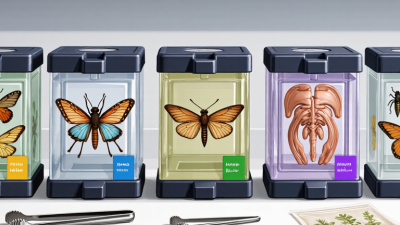
Picking out the best Insect Kit for 2026 isn’t just about comparing prices or eye-catching packaging. Honestly, buyers need to think about what the kit is really for, where it’ll be used, who’s going to handle it, and if it meets all the necessary standards. You see, a kit meant for classroom bug observation isn’t the same as one designed for microscopy, field sampling, or professional training sessions. The right choice might include features like a well-ventilated observation habitat, soft forceps, a handy hand lens, clearly labeled storage tubes, and straightforward safety instructions. Little details really count here—like a secure lid that keeps bugs from escaping, rounded edges to protect the kids, and labels that won’t fall apart in a humid classroom environment. A good supplier should be upfront about the materials they use, how the products are made, packaging conditions, and the age range they’re suitable for. They should also honestly share any limitations of the kits—no product is perfect, after all. Some cheaper sets might wear out quickly, while more premium ones can be quite pricey, so it’s a bit of a balancing act. Before placing an order, it’s wise to double-check import rules, animal welfare laws, packaging guidelines, and local policies. Live specimens, biological samples, or preserved materials might need extra paperwork or might not be allowed everywhere. Sometimes, a safer, more straightforward alternative makes life way easier. If you’re buying for a global team, having solid proof helps build confidence. Look for product photos that show actual components, clear specs, traceable company info, and quick, helpful after-sales support. Feedback from teachers and lab experience can really shine a light on potential issues that brochures might overlook. Ultimately, the best Insect Kit for 2026 isn’t just about having the fanciest features. It’s about something that works consistently, supports responsible learning, and fits well in different environments. Keep your expectations realistic—they’re key to making smart decisions. Good purchasing starts with asking the right questions—and taking your time to get answers.
Read more »
Emily By:Emily - September 20, 2026
7 Best Specimen Set Suppliers for Global Buyers

7 Best Specimen Set Suppliers for Global Buyers

Picking a reliable Specimen Set supplier isn’t just about comparing prices from catalogs. For buyers around the globe, it’s really about ensuring consistent quality, getting clear documentation, and having practical shipping options. In this guide, I’ll walk you through seven trusted suppliers that serve everything from schools and training programs to labs. The list includes companies like Carolina Biological Supply, Ward’s Science, Nasco Education, 3B Scientific, Boreal Science, GPI Anatomicals, and Science Interactive. Each of these has its own strengths—some are great for classroom samples, others focus more on anatomical models or complete lab kits. Before making a choice, it’s a good idea to check their product range, how they package items, what certifications they hold, and how responsive their customer support is. Every small detail counts—things like a sealed container, clear labels, and a sturdy inner tray can save you from headaches or extra costs during shipping. Also, be sure to confirm specifics like what type of specimen you're getting, how it’s preserved, its shelf life, storage needs, and policies on replacements. Shipping paperwork can vary depending on where you're sending it, even if it’s educational material. A good supplier will guide you through these details instead of leaving you guessing. Of course, no ranking is ever perfect. A supplier might be fantastic in one region but not so much in another. Delivery times can change depending on the season—like during busy school months. And occasionally, the photos you see on websites might show a more complete package than what you actually receive. That’s why I focus on real, verifiable info, the supplier’s experience, and how reliable they are from a buyer’s perspective—rather than just shiny claims. In the end, your choice should really match your learning goals, local buying rules, your budget, and what technical features you need. And don’t forget—double-checking everything is essential, especially if those specimens will be used repeatedly by students, teachers, or lab staff. Better safe than sorry, right?
Read more »
Emily By:Emily - September 16, 2026